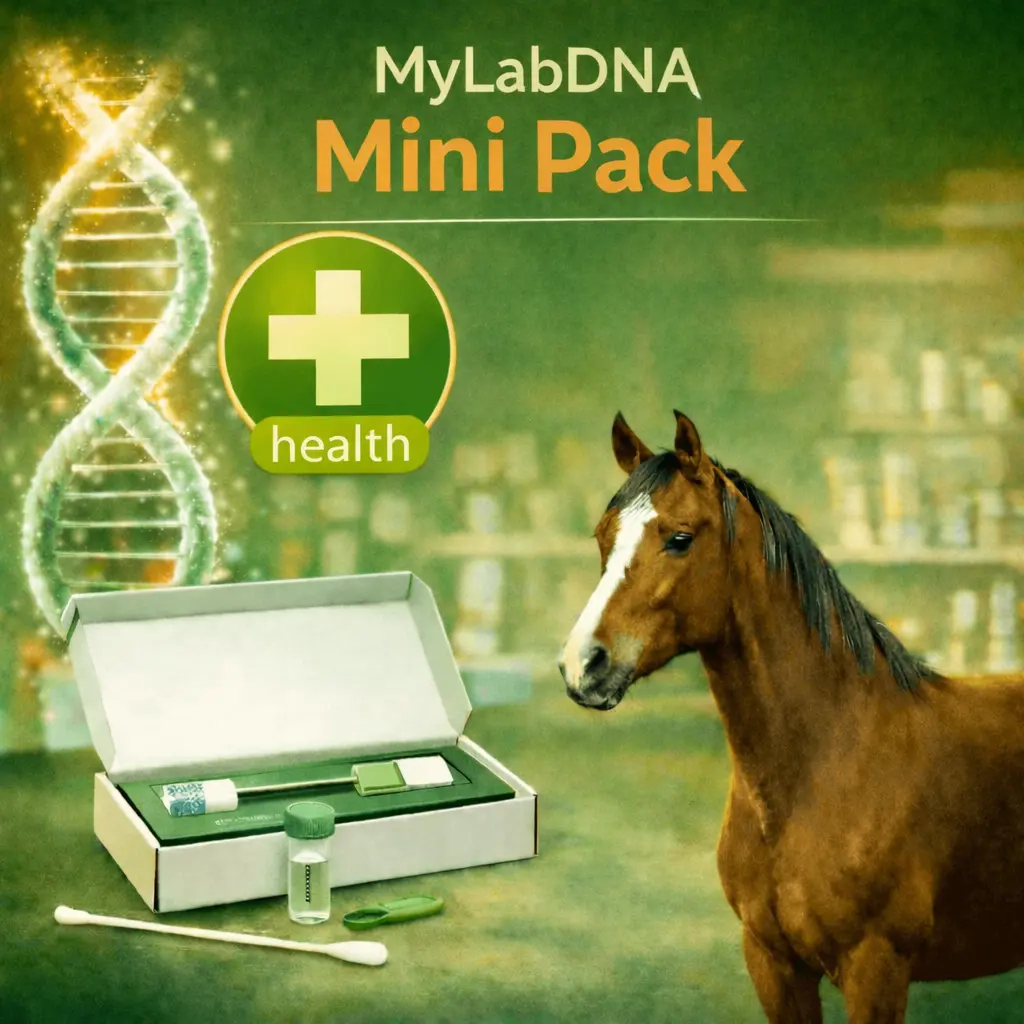
Your pet can look perfectly healthy—yet many inherited conditions develop silently.
Prevention is protection
Your pet can look “fine”… while risks stay invisible
Many inherited conditions can progress for months or years without obvious symptoms.
A DNA check-up helps you anticipate and act earlier—often with simpler, safer choices.
🧬
Detect hidden health risksIdentify genetic predispositions before symptoms appear, so you can monitor what matters.
💊
Anticipate medical sensitivitiesSome pets have genetic sensitivities to certain medications. Knowing this can help guide safer care.
🩺
Support smarter veterinary follow-upGive your veterinarian additional clues to tailor prevention, screening, and long-term wellness.
🧾
Useful for breeding & traceability (optional)Carrier status and genetic identification can help with responsible breeding and records.
✅ Prevent & manage genetic risks
Identify predispositions to hereditary diseases
Adapt monitoring and prevention early
Make informed decisions with your vet
🎯 Make better breeding & health decisions
Know carrier status (recessive conditions)
Reduce risk for future litters
Choose compatible pairings responsibly
🪪 Know your pet better
Coat color genetics & traits (when applicable)
Genetic identification for traceability
Clear, easy-to-read results
✖Without DNA testing
→
✔With a genetic check-up
Hidden risks remain unknown
→
Early detectionto spot risks in their DNA
You react after symptoms appear
→
Active preventionbefore symptoms
Generic decisions
→
More personalized choicesfor wellness and follow-up
DNA analyses are performed following strict quality standards.
Tip: Genetic screening is useful even for healthy animals—many conditions are “silent” until later.
Genetic check-up: is it useful for your pet?
Answer a few questions (1–2 min) to get a tailored recommendation.
สุนัขแมวhorse✅ Genetic check-up strongly recommended✅ Genetic check-up recommended✅ A test could be usefulFor your pet:For:based on your answers (goal:, age:), here is our recommendation:Ahealth panel(hereditary diseases) adapted to the species.Consider checking for possiblegenetic drug sensitivities(when applicable).Includecarrier / non-carrier statusfor recessive conditions (useful for breeding).Add acoat color / traitstest to understand inheritance.Addgenetic identificationfor traceability and verification.Reported issues:→ consider a more comprehensive health panel.You don’t know the blood type → testing can be helpful to prepare for emergencies.← BackContinue →DoneSee my recommendation →
Before we start
Optional, but makes the recommendation friendlier 🙂
Choose the species so we can suggest the right tests.
Age & goal
Tip: even a “healthy” animal can be a silent carrier.
Veterinary info
Useful information in case of surgery or emergencies.
Sensitivities & health
Some genetic sensitivities exist (depending on species/breed).
This does not diagnose—it's to help orient you toward relevant panels.
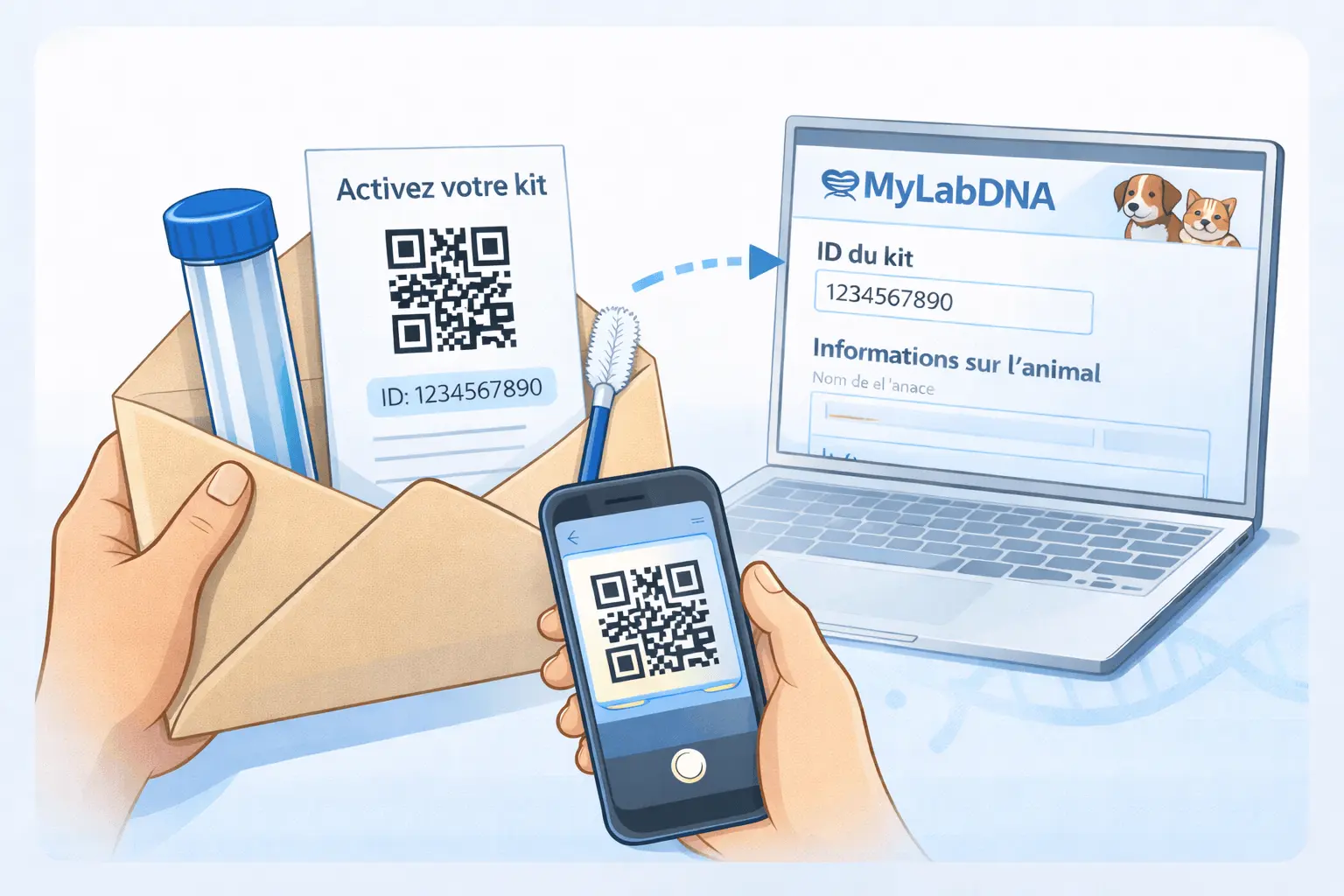
The cells containing the DNA required for analysis are located against the inside of the cheek, not on the tongue. การสัมผัสกับแก้มอย่างเหมาะสมจึงเป็นสิ่งสำคัญเพื่อให้ได้ตัวอย่างคุณภาพสูง
Then cut the cytobrush shaft about one centimeter above the cytobrush head and place the cytobrush head into the tube containing the preservative solution.
“We tested Rocky for hereditary diseases before breeding. The results were clear, professional, and delivered faster than expected. It gave us real peace of mind.”
🐱
Lucas & Luna(British Shorthair)
★★★★★
“The genetic color analysis was incredibly detailed. The report was easy to understand, even for a non-expert. Highly recommended!”
🐴
Claire & Orion(Sport Horse)
★★★★★
“The DNA identification and parentage verification were precise and well documented. Excellent support from the MyLabDNA team.”